
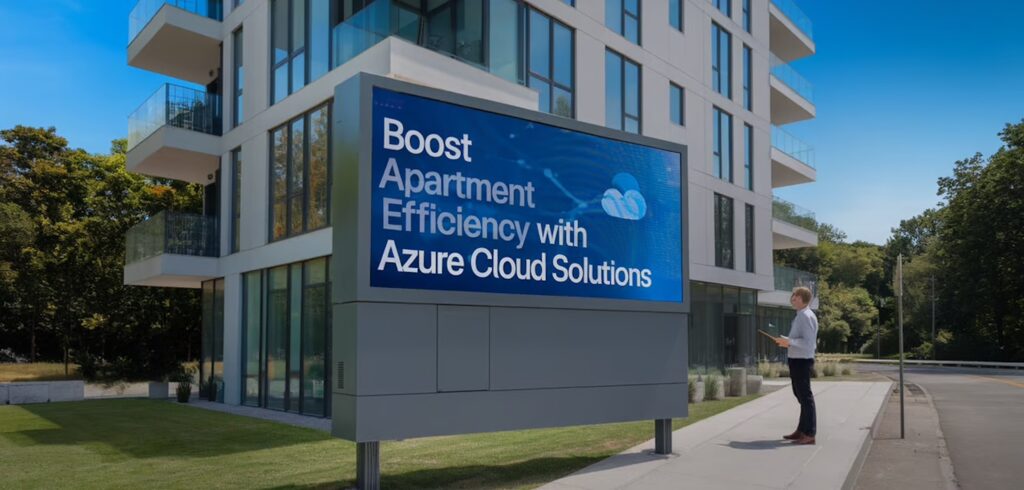
Managing apartments and Multi-Dwelling Units (MDUs) requires handling large-scale operations, tenant data, and complex infrastructure efficiently. Azure cloud solutions provide powerful digital tools tailored to streamline property management, enhance security, and reduce operational overhead. Choosing the correct approach can significantly impact your efficiency and bottom line.
This comprehensive guide outlines Azure’s primary benefits, key features, and strategic steps to smoothly integrate cloud solutions within the specific context of apartments and MDUs.
Why Apartments and MDUs Need Azure Cloud Solutions
Property managers frequently encounter operational challenges, including managing resident information, maintaining communication systems, and overseeing IT infrastructure. Azure directly addresses these challenges through:
– Centralization of critical property management tasks.
– Secure and efficient data handling.
– Scalable computing resources that adjust to tenant demand.
– Reduced reliance on physical IT hardware and servers.
Key Reasons to Adopt Azure Cloud Solutions
– Scalable Resources with Virtual Machines (VMs): Adjust your computing environment according to changing demands without unnecessary equipment or downtime.
– Comprehensive Security and Backup Measures: Azure provides robust encryption, multi-factor authentication, real-time threat monitoring, and automated backups, significantly decreasing risks associated with tenant data breaches.
– Remote Infrastructure Monitoring: Azure IoT tools help manage property infrastructure like HVAC, security, and utilities remotely, providing proactive maintenance alerts and reducing operational costs.
– Data Analytics and Decision Making: Azure’s analytics platform identifies tenant usage patterns, utility trends, and predicts tenant turnover, enabling informed operational decisions.
Financial Advantages of Azure for MDUs
Switching to cloud solutions often results in immediate and long-term cost benefits:
– Eliminates capital expenditure on hardware and reduces maintenance expenses.
– Flexible, pay-as-you-go pricing ensures cost-efficiency by using only resources needed.
– Scalable infrastructure reduces costs that would otherwise be required during peak operational times.
Hybrid Cloud: Combining Flexibility and Control
Azure also offers hybrid cloud options, combining public cloud service with private on-premises resources to maximize control over sensitive data while enjoying cloud scalability benefits. Hybrid solutions minimize expense by strategically managing workloads based on priority, privacy, and accessibility.
Steps to Successfully Integrate Azure Into Your Property Management Operations
Follow these practical steps to seamlessly adopt Azure cloud solutions:
1. Assessment and Planning:
– Evaluate existing systems and processes.
– Select Azure services most suited to your operational needs.
– Develop a clear integration roadmap.
2. Setup and Configuration:
– Set up Azure accounts, ensuring correct permissions and configurations.
– Work closely with your IT team or Azure experts to configure the needed security and data paths.
3. Data Migration:
– Prioritize low-impact assets for the initial migration.
– Utilize Azure’s migration tools to ensure secure and uninterrupted data transfer.
4. System Integration:
– Gradually roll out components, carefully testing each stage.
– Connect existing systems via Azure APIs for fluid operational integration.
5. Monitoring and Refining:
– Regularly monitor the new system to ensure optimal performance.
– Adjust operations based on system analytics and team feedback.
Effective Training and Support Practices
Streamline your transition by giving your management team clearly structured training:
– Regularly scheduled sessions tailored to specific roles.
– Self-paced online courses provided by Azure resources.
– Ongoing customer and internal IT support to address questions promptly.
Addressing Common Challenges During Azure Integration
It’s common to encounter hurdles during cloud migration. Here’s how to overcome them effectively:
– Data Migration Concerns: Engage specialized teams to oversee data security and migration checkpoints.
– Legacy System Compatibility: Utilize middleware for smooth integration and ensure compatibility through thorough testing and validation.
– Cost Management Issues: Use Azure’s built-in cost-tracking tools to maintain control over spending, including setting budgetary alerts.
Building Strong Vendor Partnerships
Vendor relationships are crucial in the adoption of Azure solutions. An experienced vendor can:
– Provide expert guidance and best practices for cloud scalability.
– Assist with efficient integration and growth.
– Enhance project reliability by handling aspects of expansion or troubleshooting.
Typical Deployment Timelines and Cost Expectations
Azure deployments vary by scale and needs but generally include:
– Assessment and planning (1-2 weeks).
– Implementation and integration (3-5 weeks).
– Monitoring optimization (ongoing).
Azure’s variable pay structure ensures transparency and affordability tailored to your unique operational requirements.
Improving Security with Azure Cloud
Security remains a top concern—Azure addresses this effectively with:
– Advanced encryption for data protection (both stored and transferred).
– Identity management tools like Azure Active Directory, ensuring access control via enhanced identity checks.
Ways Azure Tools Streamline Daily Operations
Azure’s automation features reduce manual tasks and streamline daily administrative workloads through:
– Scheduled automation for tasks such as backups and reports.
– Integration tools like Logic Apps, ensuring smooth system interaction.
– Real-time insights from Azure Monitor, allowing proactive management of issues.
Tangible Tips for a Smooth Cloud Transition
– Begin by executing pilot projects on non-critical processes.
– Conduct comprehensive team training and utilize Azure’s extensive educational resources.
– Collect feedback often, adjusting future integrations based on the data.
Azure Cloud Scalability for Future Growth
Azure facilitates managed growth by enabling quick infrastructural adjustments to address shifting business pressures, demands, and new opportunities. Azure’s flexibility provides scalability without large upfront costs on hardware.
Conclusion: Get Started with Azure Cloud for Your Properties
Azure cloud solutions provide property management organizations with robust digital resources, increasing operational efficiencies, enhancing critical data security, and delivering meaningful cost savings. By following outlined best practices, addressing common challenges early, and fostering strong vendor relationships, property managers can confidently move operations to the Azure platform.
Take advantage of what Azure has to offer—improve tenant satisfaction, simplify daily tasks, and position your property management business for continued success through thoughtful and strategic cloud adoption.